

 Login
Login


 Back to Blog
Quick answer:Menopause disrupts sleep through: night sweats that jolt you awake, disappearing estrogen and progesterone change your sleep, rising anxiety, and a higher rate of sleep apnea after menopause. The good news is that most of this is treatable with possibly better sleep habits, a cooler bedroom, smarter timing of alcohol and caffeine, and estrogen and progesterone.
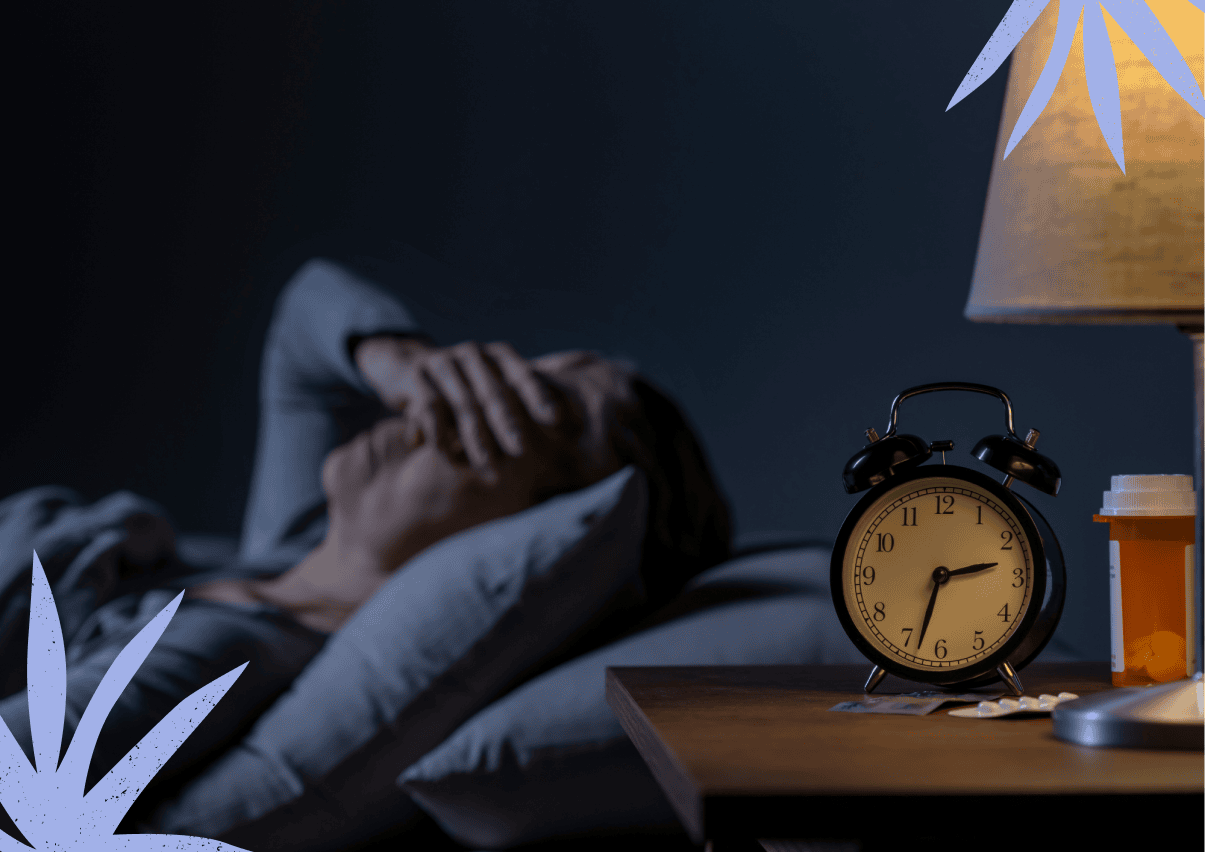
Let’s talk about 3am. You were asleep. Then, suddenly, you weren’t. Heart is running a little fast, damp sheets, staring at the ceiling doing math on how many hours you have left before the alarm. If this is your nightly ritual right now, I want you to hear this first: you are not imagining it and you are not doing anything wrong. The 3am wake-up is one of the most common and most maddening parts of the menopause transition, and there are hormonal reasons for why it happens.
Why does menopause disrupt your sleep?
A few things are usually happening at once, which is why this feels so relentless.
Night sweats yank you awake. Hot flashes do not politely stop at bedtime. When they happen overnight, your body temperature spikes, you wake up flushed and damp, and your brain flips into alert mode. Even a brief flash can pull you out of deep sleep and leave you wide-eyed.
Your hormones are rewriting the rules. Estrogen and progesterone both influence how you sleep. Progesterone has a naturally calming, sleep-supportive quality, and estrogen plays a role in body temperature regulation and mood. Dr. Kelly Casperon says progesterone helps you fall sleep and estrogen helps you stay asleep. As these hormones dip through perimenopause and into menopause, your sleep architecture, meaning the way you cycle through light, deep, and REM sleep, gets disrupted. That is why you can be exhausted but still wake up every night at 3am like clockwork.
Anxiety shows up uninvited. Hormonal shifts can crank up nighttime anxiety and racing thoughts. Sometimes the worry wakes you and sometimes waking up triggers the worry. Either way, it is a real physiological process, not a character flaw.
Sleep apnea rises after menopause, and it is often missed. According to The Menopause Society, obstructive sleep apnea (OSA) becomes more common after menopause, and it frequently goes undiagnosed because the classic loud-snoring picture people expect does not always fit women. Up to 20% of people with OSA do not snore. Untreated sleep apnea has been linked to higher blood pressure and cardiovascular risk, so it is worth screening for.
Is it insomnia or something else?
Here is a useful gut check. Insomnia is trouble falling or staying asleep even when you have the time and the right conditions. But if you are sleeping a full night and still waking up exhausted, snoring, gasping, or your partner has mentioned that you stop breathing, that points toward sleep apnea rather than plain insomnia.
The distinction matters because the fixes are different. Sleep hygiene will not solve an airway problem. If any of those apnea signs sound familiar, ask your doctor about a sleep study. A simple screening can change everything.
How to sleep better during menopause
Once you have ruled out the bigger stuff, these habits could move the needle. Small, consistent changes can add up to a big help.
- Make your bedroom cold. A cool, dark room can help blunt night sweats and support the natural temperature drop that signals sleep. Breathable bedding and layers you can kick off help too. The National Sleep Foundation recommends 60-67 degrees Fahrenheit.
- Rethink the glass of wine. That glass of wine feels relaxing, but it backfires. The Sleep Foundation explains that alcohol helps you fall asleep faster. The alcohol fragments the second half of your sleep as your body metabolizes it, leaving you with more awakenings and less restorative REM sleep. The Sleep Foundation suggests avoiding alcohol in the hours before bed.
- Move your caffeine earlier. Caffeine lingers for hours. Try making the early afternoon your cutoff for caffeine and see if your nights improve.
- Try CBT-I, the gold standard. Cognitive behavioral therapy for insomnia is the most effective, best-studied first-line treatment for chronic insomnia, and it works without medication. Ask your doctor or look for a CBT-I app or program.
- Eat in a way that supports your whole body. A Mediterranean-style pattern, rich in vegetables, fruits, whole grains, olive oil, fish, nuts, and legumes, keeps your blood sugar stable, which can prevent sudden hormone changes. If you lose weight, then your body is cooler, per the Cleveland Clinic.
When night sweats are the culprit
If the thing waking you is specifically night sweats, that is worth telling your doctor, because night sweats are treatable. Treating night sweats, which is an FDA-approved use of hormone therapy, can reduce how often those overnight hot flashes pull you awake. To be clear, hormone therapy is not a sleep aid and it is not prescribed to improve sleep on its own. But if hot flashes are the specific reason you keep waking up at 3am, reducing them may mean fewer awakenings. A doctor can walk you through whether that is a fit for you.
When to see a doctor
Please reach out to a doctor if your sleep loss is affecting your days, your mood, or your ability to function, or if you notice snoring, gasping, or morning headaches that suggest sleep apnea. You do not have to white-knuckle your way through years of broken sleep. This is exactly the kind of thing menopause-trained clinicians handle every day.
You deserve to sleep through the night again
Pandia Health’s menopause telemedicine team offers convenient, doctor-led peri/menopause care, with asynchronous visits, unlimited messages with 100% doctors, and free delivery for your prescriptions. If broken sleep is running your nights due to hot flashes or night sweats, let’s talk about what is going on and build a plan to make your life better. Sign up today!