

 Login



 Back to Blog
Medically reviewed by Catherine Hansen, MD, OBGYN & Menopause specialist
Perimenopause usually starts in the 40s; the most common signs are irregular periods, hot flashes and night sweats, sleep trouble, mood changes, and vaginal dryness; symptoms come and go because estrogen fluctuates. It is an important phase in a woman’s life, marking the transition from reproductive years to menopause.
This natural biological process can occur anytime between the ages of 35 and 50, although it typically occurs in women in their 40s, and can last anywhere from a few months to several years. The timing and duration of perimenopause vary from woman to woman since we are all different and unique and our experiences are not always the same!
During perimenopause, the body undergoes hormonal changes that can cause a range of physical and emotional/cognitive symptoms. Understanding and recognizing symptoms of perimenopause is crucial for women to effectively manage this transitional phase and take control of their health. This informational guide will provide an in-depth overview of common perimenopausal symptoms and offer practical tips for managing them, so you can navigate this time with greater ease and confidence.

Common Perimenopause Symptoms
A woman can experience different symptoms during perimenopause as they vary for each individual. Here we present some of the most common ones divided by physical and cognitive.
Perimenopause Physical Symptoms
- Irregular periods. As women approach perimenopause, their menstrual cycles may become irregular, with periods becoming shorter or longer, heavier or lighter, and more or less frequent. This is due to fluctuating levels of hormones, particularly estrogen and progesterone, which regulate the menstrual cycle. These changes can have a significant impact on daily life, causing anxiety about unpredictable periods, making it difficult to plan social events, and affecting sexual activity.
- Hot flashes and night sweats. Hot flashes, also known as hot flushes and scientifically named vasomotor symptoms, are sudden intense feelings of heat that can cause sweating, flushing, and palpitations. They can last between 5 and 10 minutes and their frequency varies from woman to woman. Some may experience a few over a week and others may have over 10 very intense hot flashes per day. They can also occur at any time, causing discomfort and embarrassment in social situations. Night sweats are hot flashes that occur during sleep, leading to disrupted sleep patterns and fatigue. Research shows that over 80% of women experience hot flashes during perimenopause. The cause of hot flashes and night sweats is not fully understood, but it is thought to be related to changes in the hypothalamus, which regulates body temperature.
- Vaginal dryness. As you approach perimenopause, the levels of estrogen and progesterone hormones in your body may decrease, which can affect your vagina. This hormonal change can cause vaginal walls to become thinner, drier, and less elastic, and the external tissue may also decrease and thin out. As a result of these changes, women may feel discomfort, including irritation, itching, pain, or burning while performing everyday activities. Sexual activity can also become less enjoyable, potentially causing pain and discomfort and leading to decreased libido.
- Bone density loss. During the menopause transition, women are at an increased risk of osteoporosis and fractures due to decreased estrogen levels in their bodies. Estrogen plays a crucial role in maintaining bone density, and as it declines during perimenopause, it can increase the risk of bone mass loss and osteoporosis.
- Fatigue. Some women reported feeling persistent tiredness and lack of energy during perimenopause, affecting daily activities. Hormonal imbalances, stress, and anxiety can disrupt sleep patterns, leading to fatigue, impairment in memory, and decreased productivity.

- Hair loss. As women approach perimenopause, their estrogen levels begin to decline, which can have an impact on hair growth and health. Estrogen plays a major role in regulating the hair growth cycle, and a drop in estrogen levels can cause hair strands to become thinner and shed more frequently. Additionally, during perimenopause, androgen or male hormone levels may increase, causing hair shafts to shrink in diameter, further contributing to a decrease in hair volume. These hormones can also stunt hair growth, leading to overall thinning and lack of volume.
- Urinary incontinence. Involuntary leakage of urine can be categorized into two main forms, overactive bladder and stress incontinence. Overactive bladder is related to anything that irritates the bladder wall such as caffeine, alcohol, smoking, medications and certain foods (eg. spicy or acidic). Avoiding these irritants can reduce or eliminate symptoms. Women may be more prone to overactive bladder during perimenopause or menopause due to the lack of estrogen that protects the bladder wall.
The other type of incontinence is called stress incontinence and is related to laxity in the pelvic floor at the bladder neck. It is noted mostly with coughing, sneezing, or laughing. Stress incontinence may be impacted by hormones because of the impact of estrogen on the elasticity of the bladder, bladder neck and pelvic floor tissues. While changes during perimenopause may contribute to urine leakage in middle-aged women, it’s not the only factor that can cause this issue. Other factors that may have a role include the natural weakening of muscles due to age, pelvic floor injuries after giving birth, and underlying conditions like diabetes, multiple sclerosis, or Parkinson’s disease. Also, certain medications like antidepressants or painkillers, sedentary lifestyles, and obesity can be factors that contribute to difficulties with bladder control. Understanding these various factors can help women take steps to address urinary incontinence and improve their overall health and well-being.
Perimenopause Cognitive Symptoms
- Mood swings. Perimenopause can also cause mood swings, anger, irritability, anxiety, and depression. This can be due to the fluctuating levels of hormones, particularly estrogen, which can affect neurotransmitters in the brain. According to the American College of Obstetricians and Gynecology 4 out of 10 women experience mood changes during perimenopause. These changes can impact daily life, causing difficulty concentrating, low energy, and reduced productivity.
- Anxiety. During perimenopause, the hormone receptors in your brain may start to decrease, leading to disruptions in the biochemical activity that regulates mood. This can result in changes in mental health, including an increase in anxiety symptoms like irritability, nervousness, tension, and racing heart. While occasional feelings of anxiety are normal during this time, frequent panic attacks or high levels of anxiety could be a sign of a more serious condition and should be evaluated by a medical professional. Symptoms of panic disorder may include shortness of breath, chest pain, dizziness, heart palpitations, and feelings of losing control. It’s worth noting that the unsettling feelings that sometimes accompany hot flashes can mimic or trigger panic attacks.
- Sleep disturbances. Some women may experience difficulty falling asleep, staying asleep, or poor sleep quality. Night sweats and hormonal fluctuations can disrupt sleep patterns, leading to insomnia and daytime sleepiness.

- Decreased libido. Decreased libido translates to reduced sexual desire or interest. Hormonal changes as seen before can affect libido and sexual function, leading to a decrease in sexual desire and satisfaction in midlife.
- Memory problems. Cognitive issues such as difficulty with concentration, forgetfulness, or mental fog are also related to hormonal changes. These changes can affect cognitive function and memory, leading to difficulties with concentration and memory recall. A study has shown that perimenopausal women report more memory problems than premenopausal women (women that are neither perimenopausal, menopausal, nor postmenopausal).
What causes perimenopause symptoms?
Perimenopause symptoms mostly come from changing hormone levels. As the ovaries wind down, estrogen levels go up and down unpredictably before they settle lower. Estrogen helps regulate the menstrual cycle and many other body functions, so these swings can cause the symptoms we covered above.
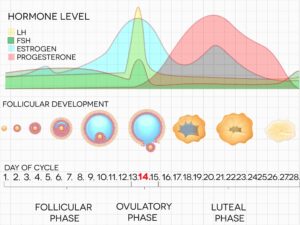
Here’s how estrogen normally works in your cycle. Two brain hormones, follicle-stimulating hormone (FSH) and luteinizing hormone (LH), control it. FSH prompts the ovarian follicles (the small sacs that hold eggs) to make estrogen. When estrogen peaks, LH surges and triggers ovulation. The leftover follicle then makes estrogen and progesterone to prepare for a possible pregnancy. If you don’t get pregnant, those hormones drop, your period starts, and the cycle begins again. During perimenopause, the ovaries have fewer follicles left, so this cycle becomes irregular and estrogen production starts to fall.
Symptoms differ from woman to woman. Some women barely notice them, while others find they seriously affect daily life. Several factors can affect when symptoms start and how strong they are:
- Aging: Your supply of follicles naturally shrinks with age, which lowers estrogen.
- Genetics: If your mother or sister went through menopause early or had severe symptoms, you may too.
- Lifestyle: Smoking, heavy drinking, not moving much and a poor diet can make symptoms worse.
- Medical conditions and treatments: Cancer treatments such as chemotherapy or radiation can cause early or sudden menopause.
- Mental health: Anxiety and depression can make the transition harder.
Knowing what’s behind your symptoms makes it easier to manage them. Lifestyle changes and the right medical treatment can help you get through perimenopause more comfortably.

How to Manage Perimenopausal Symptoms
While perimenopause symptoms can be challenging, there are practical steps women can take to manage them:
- Prioritize self-care: Engage in stress-reducing activities, practice mindfulness, and engage in hobbies or activities that bring joy. Taking care of one’s mental and emotional well-being is essential during this transitional phase.
- Maintain a healthy lifestyle: Eat a balanced diet rich in fruits, vegetables, whole grains, and lean proteins. Regular exercise can help manage weight, improve mood, and promote better sleep. Prioritize sleep hygiene by creating a relaxing bedtime routine and ensuring a comfortable sleep environment.
- Seek professional help: Consult a physician for accurate diagnosis and personalized treatment options. Our team of healthcare professionals specializes in perimenopause management and can provide accurate diagnosis and personalized treatment options tailored to your specific health history and needs. Through our convenient online platform, you can easily access medical treatment such as birth control and menopausal hormone therapy targeted to your symptoms and needs.
Self-Care and Support
Self-care is crucial during perimenopause. Women should prioritize their well-being by practicing relaxation techniques, seeking support from professionals, friends, and family, and considering joining support groups. Connecting with others who are going through similar experiences can provide valuable emotional support and helpful tips for managing symptoms (if you are interested in gathering with other women in a safe, supportive space, have a look at the Empowered Women’s Circle, led by Pandia Health’s Lead Physician on Menopause, Dr. Catherine Hansen.
At Pandia Health, we understand that managing the symptoms of perimenopause can be challenging. That’s why we offer convenient and personalized, perimenopause treatment and telemedicine to help you find relief and regain control of your life. With our expert online doctor service we aim to provide you with effective treatment options delivered right to your doorstep, ensuring a hassle-free experience. Join us today to start effectively managing your perimenopause symptoms and take control of your health and your life!
Disclaimer: This article is for general informational purposes and is NOT a substitute for professional medical advice. Always seek the advice of your healthcare provider before starting or changing birth control.